
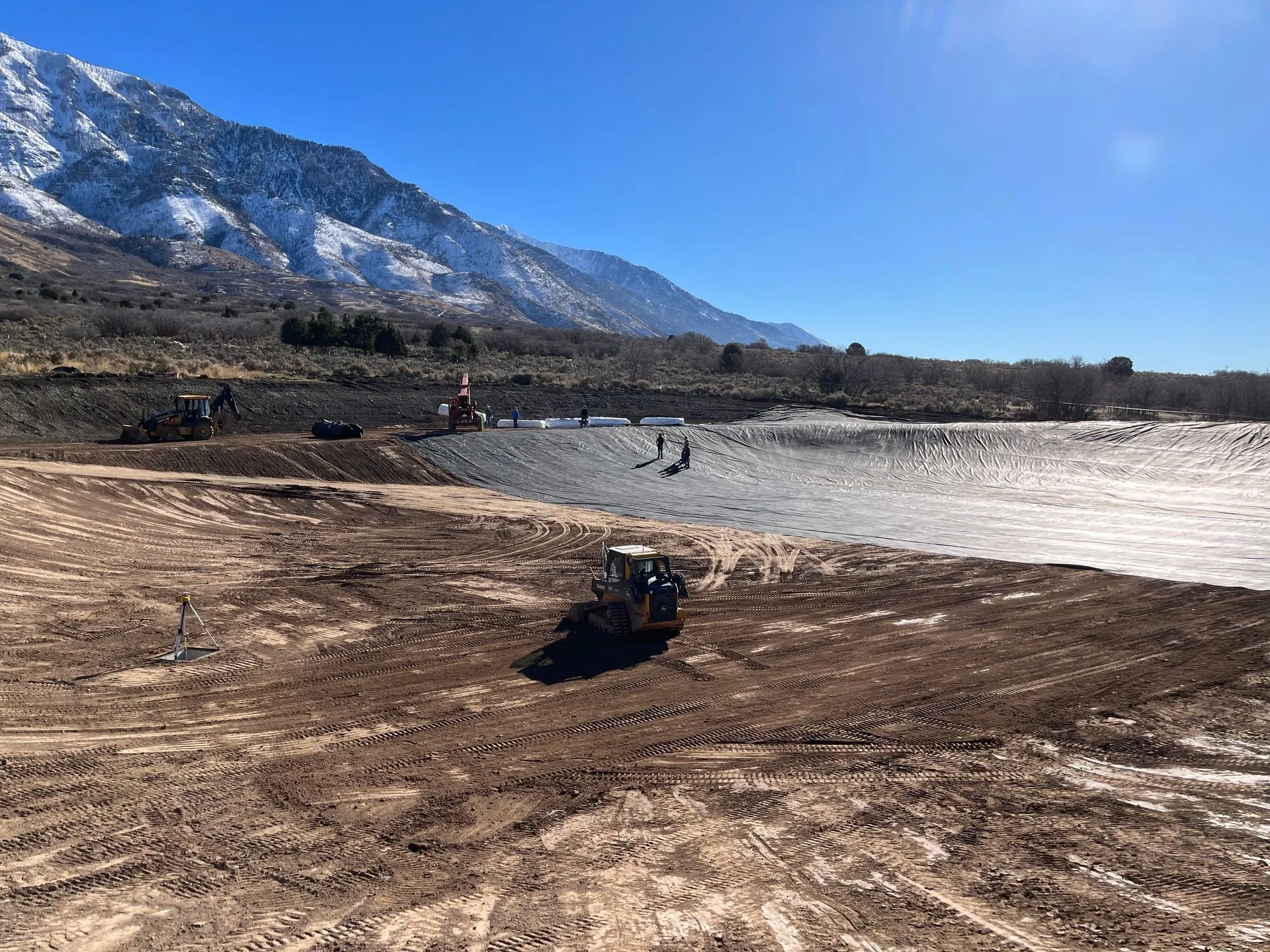
Timing plays a larger role in excavation success than most property owners realize. Utah's diverse climate — from dry summer heat to frozen winter ground — directly impacts how efficiently earthwork can be completed, what it costs, and how well the finished work performs over time. Choosing the right season for your project can mean the difference between a smooth build and months of frustration.
Spring: The Most Popular Season
Once the ground thaws in March and April, excavation season kicks into high gear across Utah. Spring offers moderate temperatures, manageable soil moisture, and long daylight hours that help keep projects on schedule. This is when most residential construction begins, which means excavation contractors are in high demand. If you're planning a spring start, booking your excavation contractor four to six weeks ahead is wise.
The main drawback of spring excavation is rain. Utah can experience heavy precipitation in April and May, especially in mountain communities. Wet conditions slow compaction work and can make certain soil types difficult to work with. A good contractor builds weather contingency days into the schedule to account for this.
Summer: Peak Demand, Ideal Conditions
Summer months offer the most predictable weather for excavation. Dry conditions, warm temperatures, and firm soil make it the ideal season for large-scale earthwork, especially commercial projects that involve extended timelines. Compaction work is most effective in dry conditions, and the long days allow for maximum productivity.
The tradeoff is scheduling. Summer is peak season for construction in Utah, and excavation contractors are at their busiest. Waiting until June to schedule work that needs to start in July may leave you waiting. Plan ahead and get on the calendar early if you're targeting a summer excavation window.
Fall: The Smart Choice for Many Projects
Fall is an excellent time for excavation that many property owners overlook. September through early November typically offers dry, stable weather with cooling temperatures that make jobsite conditions comfortable. Contractor schedules begin to open up as summer backlogs clear, which can mean faster availability and sometimes better pricing.
Fall is especially well-suited for foundation excavation and site prep that will sit through winter before spring construction begins. The ground is dry and workable, and the cooler air reduces dust on the jobsite. If your construction timeline allows for a fall dig, it's often the sweet spot for value and scheduling.
Winter: Possible, But Requires Planning
Excavation doesn't stop when snow flies in Utah. Winter work is possible with the right planning and equipment, and some projects benefit from off-season scheduling due to reduced demand. Frozen ground requires more powerful equipment and potentially different techniques, but experienced operators know how to handle these conditions.
The key factor in winter excavation is soil type. Sandy and gravelly soils handle freeze-thaw cycles better than clay-heavy soils. If your site has favorable conditions, winter excavation can be cost-effective. Talk to your contractor about whether your specific project is a good candidate for cold-weather work.
Planning Your Timeline
Regardless of when you schedule, the most important step is starting the planning process early. Contact KB Lewis to discuss your project timeline, and we'll help you identify the optimal window based on your site conditions, project scope, and construction schedule.