
Utah's mountain communities are filled with spectacular hillside building lots. Park City, Draper, Alpine, Heber — these areas offer views and settings that flat lots simply can't match. But building on a hillside introduces excavation challenges that significantly impact project planning, timelines, and budgets. Understanding these challenges upfront helps you make informed decisions and avoid surprises.
Cut and Fill: Reshaping the Slope
Most hillside construction involves cut and fill operations — removing earth from the high side of the building site and placing it on the low side to create a level building pad. The goal is to balance the cut and fill quantities so you don't need to import or export material, which adds significant cost.
On steep slopes, the volume of cut and fill increases dramatically. A ten percent slope might require modest earthwork, while a thirty percent slope could mean moving thousands of cubic yards of material. Your civil engineer will design the grading plan to optimize the balance, but steep lots almost always require more extensive excavation than flat ones.
Retaining Walls: Holding the Hill
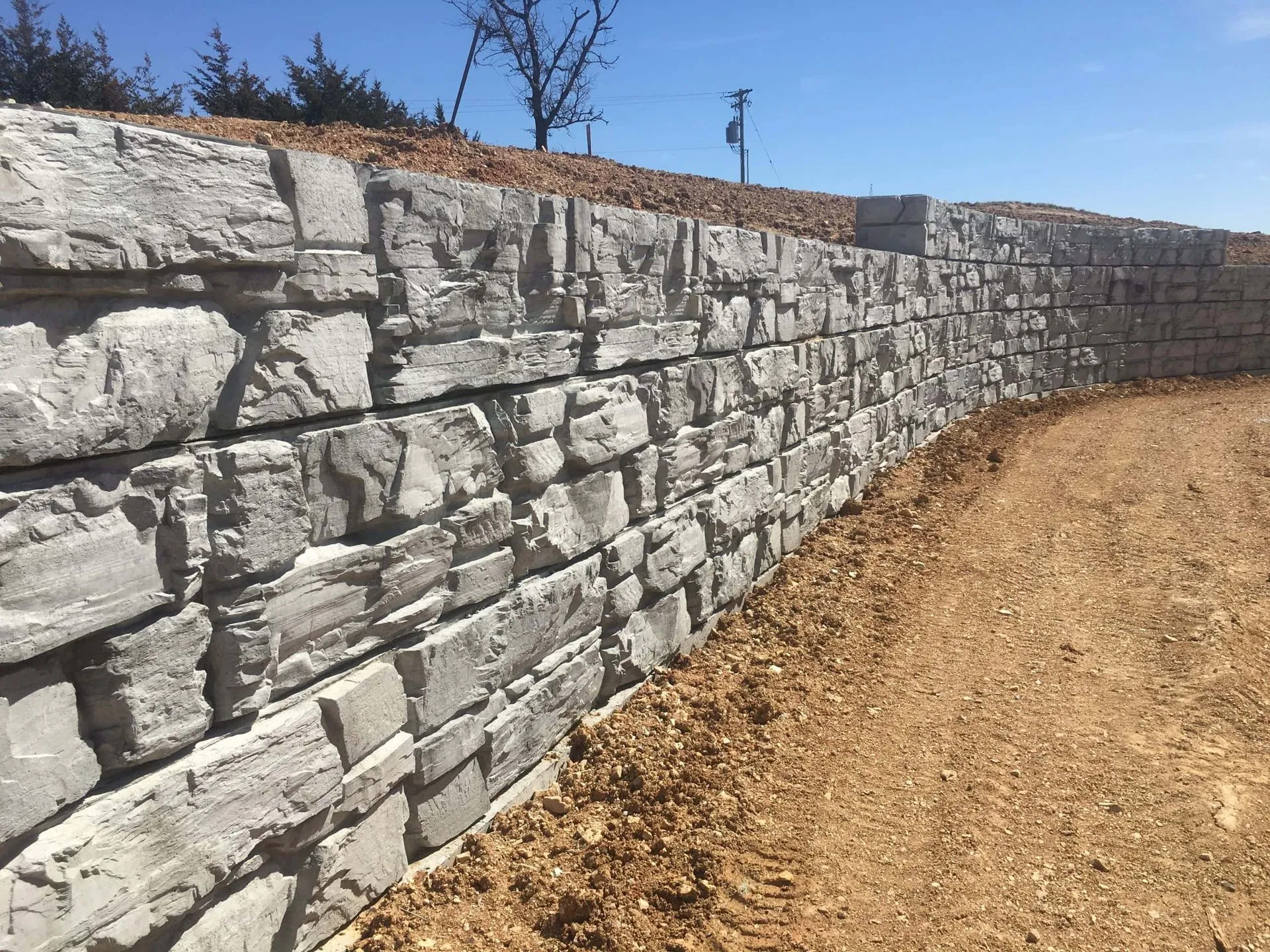
Whenever you cut into a slope or build up a fill area, you need some method of retaining the earth. Retaining walls are a fundamental part of hillside construction, and their design and construction represent a major cost factor. Walls may be needed on the uphill side of the building pad, along driveways and access roads, and to stabilize landscaped areas.
The type of wall depends on the height, soil conditions, and aesthetic preferences. Natural boulder walls work well for larger-scale retention on mountainous properties, while engineered block walls offer precise structural performance for critical locations. On steep lots, terraced wall systems — multiple shorter walls in a stair-step pattern — often provide the best combination of structural performance and visual appeal.
Access and Equipment Challenges
Getting heavy equipment to a hillside building site can be challenging. Steep roads, tight switchbacks, and limited staging areas all affect the types of equipment that can be used and how efficiently the work proceeds. In some cases, temporary access roads need to be built before the main excavation work can begin.
Equipment selection matters more on hillside lots. Tracked excavators handle slopes better than wheeled machines. Articulated dump trucks navigate rough terrain more safely than standard trucks. An experienced hillside contractor selects the right equipment for the conditions and adjusts their approach based on the specific challenges of each site.
Cost Implications
Hillside excavation typically costs two to four times more than comparable work on a flat lot. The additional cost comes from increased material volumes, retaining wall construction, challenging access conditions, and the need for more precise engineering and execution. A foundation excavation that might cost $5,000 on a flat lot could run $15,000 to $25,000 or more on a steep hillside.
Despite the higher cost, the investment is worthwhile for the right property. If you're considering a hillside lot in Utah, schedule a site consultation with KB Lewis. We'll walk the lot with you, discuss the excavation challenges and solutions, and provide a realistic estimate so you can make an informed decision.