
Your choice of excavation contractor will shape your entire construction project. A reliable, skilled team sets the foundation — literally — for everything that follows. A poor choice can mean delays, cost overruns, substandard work, and frustration that ripples through every phase of your build. Here's how to evaluate excavation contractors and choose the right partner for your project.
Verify Licensing and Insurance
This is the baseline. Any legitimate excavation contractor in Utah should carry a valid contractor's license, general liability insurance, and workers' compensation coverage. Ask for proof of all three before signing a contract. If a contractor hesitates to provide documentation or gives vague answers about their insurance status, that's a major red flag.
Licensing ensures the contractor has met minimum competency requirements. Insurance protects you from liability if someone is injured on your property during the work. Workers' comp ensures you're not financially responsible for injuries to the contractor's crew. These aren't optional — they're the cost of doing business responsibly.
Evaluate Experience and Equipment
Experience matters in excavation. An operator who has worked Utah soils for years understands the nuances of local conditions — clay-heavy soils in the valley, rock along the benches, sandy conditions near lakebeds. Ask how long the company has been operating, what types of projects they typically handle, and whether they have experience with projects similar to yours.
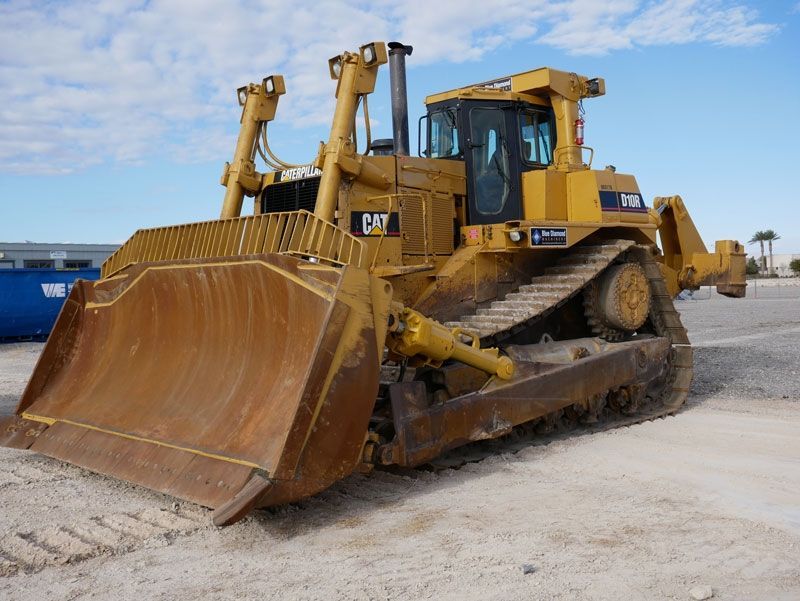
Equipment condition and variety also tell you a lot about a company. Well-maintained, modern equipment operates more efficiently and produces better results. A company with a diverse fleet can adapt to changing site conditions without delays. If a contractor shows up with a single aging excavator for every job, it may not be the right fit for a complex project.
Ask for References and View Past Work
A confident contractor will gladly provide references from recent projects. Follow up on those references and ask specific questions: Did the work start and finish on time? Were there unexpected costs? How was communication throughout the project? Would you hire them again? The answers will tell you far more than any sales pitch.
If possible, ask to see completed projects in person. Foundation excavations, retaining walls, and grading work are visible for years after completion. Seeing the quality of finished work gives you a real sense of what to expect on your own project.
Get Detailed Written Estimates
A professional excavation contractor provides a detailed, written estimate that breaks down the scope of work, equipment to be used, timeline, and pricing. Vague quotes or verbal estimates should raise concerns. You need to know exactly what's included, what could change the price (rock, unexpected soil conditions, weather delays), and what the payment terms are.
Compare estimates from multiple contractors, but don't just compare the bottom line. Look at what's included in each estimate and how the contractor addresses potential variables. The lowest bid often becomes the most expensive project when change orders start piling up.
Communication Is Everything
Pay attention to how the contractor communicates during the bidding process. Do they return calls promptly? Do they ask thoughtful questions about your project? Do they explain their approach clearly? The way a contractor communicates before they have your business is the best indicator of how they'll communicate during the project.
At KB Lewis, we believe transparent communication is the foundation of every successful project. Contact us and experience the difference that clear, honest communication makes from the very first conversation.