
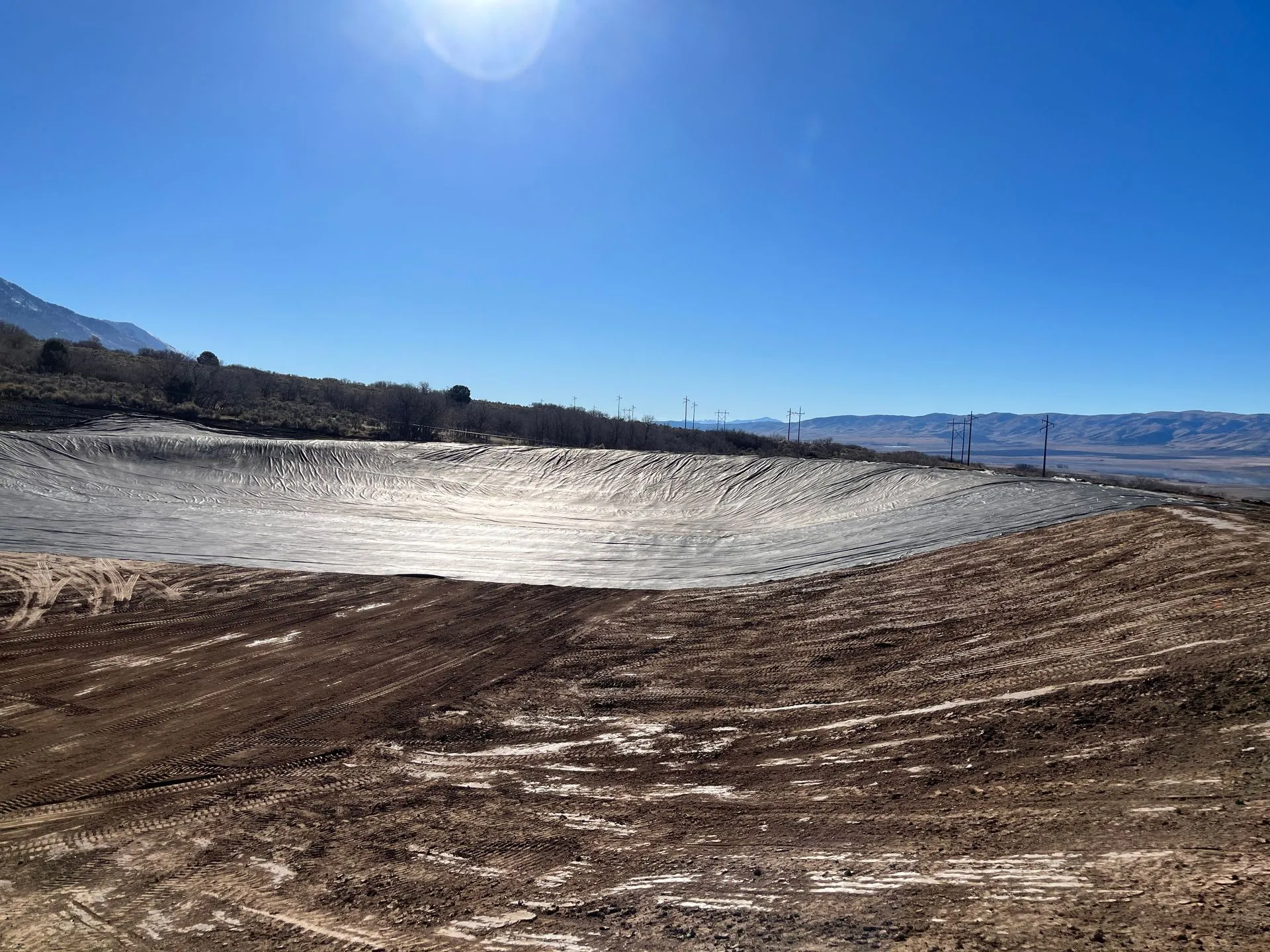
Most homeowners focus on the surface material when planning a new driveway — concrete or asphalt, color, finish, pattern. But the surface is only as good as what's beneath it. Proper excavation, subgrade preparation, and base compaction are the hidden factors that determine whether your driveway lasts five years or twenty-five years.
Why the Base Matters More Than the Surface
A driveway surface distributes the weight of vehicles across the base material underneath. If that base is soft, uneven, or poorly compacted, the surface will crack, settle, and deteriorate prematurely regardless of how well it was poured or laid. This is why professional driveway contractors insist on proper base preparation — they know that their surface work is only as good as the foundation it sits on.
The base performs several critical functions. It provides uniform load distribution across the subgrade soil. It promotes drainage so water doesn't pool beneath the surface and weaken the soil. And it provides a stable, level platform that the surface material bonds to and rests upon.
The Excavation Process
Driveway excavation begins with removing the existing surface material (if replacing an old driveway) and the topsoil or soft material underneath. The depth of excavation depends on your soil type and the surface material you're planning. Concrete driveways typically require four to six inches of compacted base, while asphalt may need six to eight inches or more depending on traffic loads.
The excavated area is graded to ensure positive drainage — either crowned in the center to shed water to both sides, or sloped to one side to direct water to a designated drainage area. This grading is critical. Water that sits under a driveway will eventually soften the base and cause failure.
Base Material and Compaction
Road base — a graded mixture of crushed rock and fines — is the standard base material for driveways. It compacts firmly, drains well, and provides excellent load distribution. The material is placed in lifts (layers) and compacted with a vibratory plate compactor or roller to achieve the required density.
Compaction testing may be required to verify that the base meets specifications. This is especially important for commercial driveways or residential driveways on challenging soil. Under-compacted base material will settle over time, creating depressions and cracks in the surface.
Cost Savings Through Quality Prep
Spending an extra few hundred dollars on proper excavation and base preparation saves thousands in premature surface replacement. A well-prepared driveway base supports the surface for its full design life. A poorly prepared base leads to cracking, settling, and replacement within a fraction of that time.
Planning a new driveway or replacing an existing one? Schedule a consultation with KB Lewis to ensure your base preparation is done right from the start.