
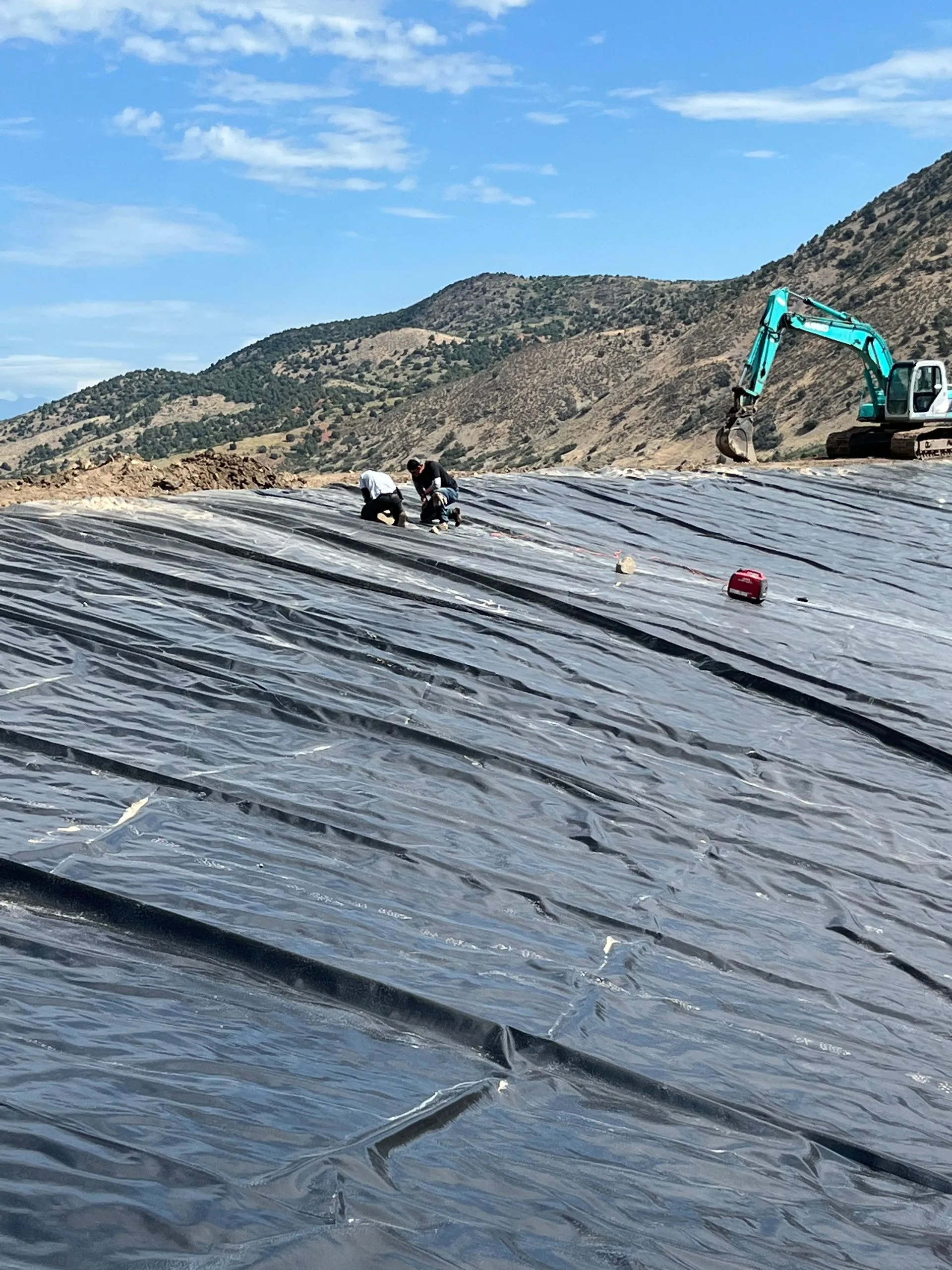
Erosion control might not be the most glamorous aspect of excavation, but it's one of the most important — both for regulatory compliance and for protecting your site during construction. Utah's erosion and stormwater management requirements are strict, and failing to comply can result in significant fines, project delays, and environmental damage that you'll be responsible for cleaning up.
Understanding SWPPP Requirements
Any construction project in Utah that disturbs one acre or more of land is required to have a Stormwater Pollution Prevention Plan. This document outlines the specific best management practices (BMPs) that will be used to control erosion, manage sediment runoff, and prevent pollutants from leaving the construction site. Even projects under one acre may need erosion control measures depending on local ordinances and site conditions.
A SWPPP is a living document that needs to be updated as site conditions change throughout the construction process. It identifies potential sources of pollution, describes the erosion and sediment control measures to be implemented, and establishes inspection and maintenance schedules. Your general contractor or a qualified environmental consultant typically prepares this document.
Common Erosion Control Measures
Effective erosion control uses a combination of techniques tailored to your specific site. Silt fences are the most recognizable BMP — they're installed along the perimeter of disturbed areas to catch sediment before it leaves the site. Sediment basins and traps collect runoff and allow sediment to settle before water is released. Erosion control blankets protect exposed slopes from rain impact and wind erosion.
Other common measures include inlet protection around storm drains, construction entrance stabilization pads to prevent tracking mud onto public roads, diversion berms to redirect runoff away from sensitive areas, and temporary seeding or mulching of exposed soil that won't be worked for extended periods.
The Excavation Contractor's Role
Your excavation contractor plays a critical role in erosion control. During grading and earthwork, the contractor's operations directly affect how water moves across the site. Proper grading techniques, timely installation of drainage improvements, and careful management of stockpiled material all contribute to effective erosion control.
At KB Lewis, we integrate erosion control into our excavation planning from day one. We understand that keeping sediment on your site isn't just about compliance — it's about being responsible stewards of Utah's land and water resources. We coordinate with your SWPPP requirements and install temporary erosion control measures as part of our standard operating procedure.
Penalties for Non-Compliance
The consequences of inadequate erosion control are serious. The Utah Division of Water Quality can issue fines of up to $10,000 per day for stormwater violations. Beyond financial penalties, non-compliance can result in stop-work orders that freeze your project timeline, required remediation work, and damage to your reputation with local agencies. Taking erosion control seriously from the start is far less expensive than dealing with the consequences of neglect.
If you have questions about erosion control requirements for your project, contact our team. We can help you understand what's needed and ensure your excavation work is done in full compliance.