
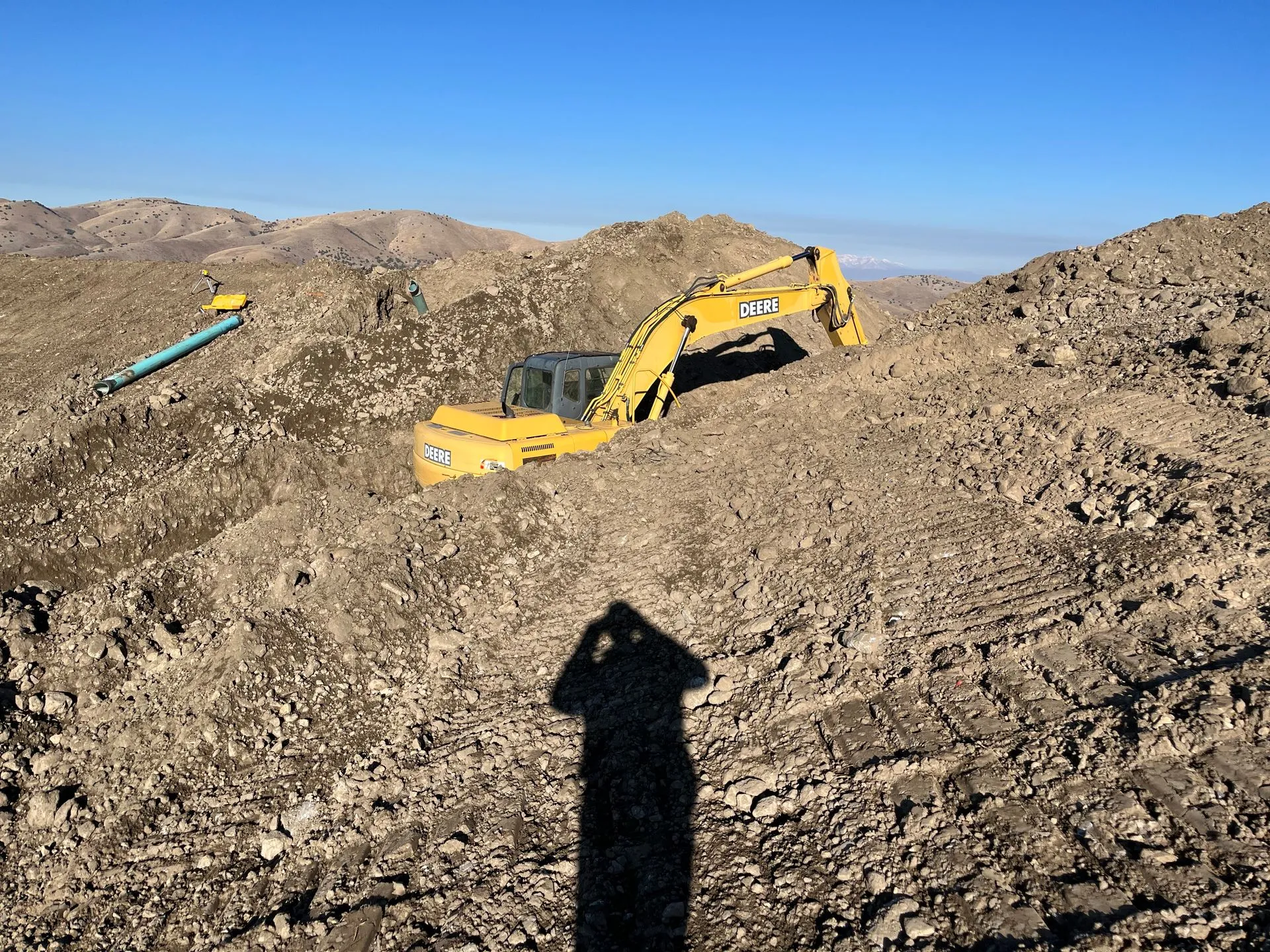
Excavation consistently ranks among the most dangerous activities in construction. Trench collapses, equipment incidents, underground utility strikes, and falling hazards all pose serious risks. Professional excavation contractors invest heavily in safety because the consequences of cutting corners are severe — for workers, for property owners, and for the project itself.
Trench Safety: The Most Critical Protocol
OSHA regulations are clear about trench safety. Any trench deeper than five feet requires a protective system — sloping, shoring, or a trench box — unless it's been excavated entirely in stable rock. These requirements exist because trench collapses are often fatal. A cubic yard of soil weighs approximately 3,000 pounds, and a trench collapse can bury a worker in seconds.
Professional contractors assess soil conditions before trenching begins and select the appropriate protective system. They inspect trenches daily and after any rainfall. They maintain safe access points (ladders within 25 feet of all workers) and keep heavy equipment away from trench edges. These practices aren't optional extras — they're legal requirements and fundamental professional obligations.
Equipment Safety Protocols
Heavy equipment operation requires trained, experienced operators and strict safety protocols. Excavators, dozers, and dump trucks are powerful machines that can cause catastrophic damage in an instant if operated carelessly. Professional operators complete training programs, follow manufacturer operating guidelines, and maintain awareness of all workers and obstacles in the work zone.
On a properly managed jobsite, you'll see clear work zones established around operating equipment, ground guides directing truck traffic, backup alarms on all mobile equipment, and operators performing pre-shift equipment inspections. These practices prevent the most common types of equipment-related incidents.
Protecting Your Property
Safety isn't just about worker protection — it extends to protecting your property and your neighbors' property. Professional contractors take steps to prevent damage to existing structures, underground utilities, landscaping, and adjacent properties. This includes careful equipment routing to avoid damage to lawns and hardscape, monitoring vibration levels near existing structures, protecting trees and landscape features that are to remain, and managing dust and runoff to prevent impact on neighboring properties.
What to Look For
When evaluating an excavation contractor, ask about their safety record and practices. A company that takes safety seriously will be proud to discuss their approach. Red flags include contractors who resist discussing safety, who push back on trench protection requirements, or who seem to prioritize speed over safety protocols.
At KB Lewis, safety isn't a department — it's a culture. Every operator on our team is committed to working safely on every project, every day. Learn more about our team and values or contact us with questions about our safety practices.