
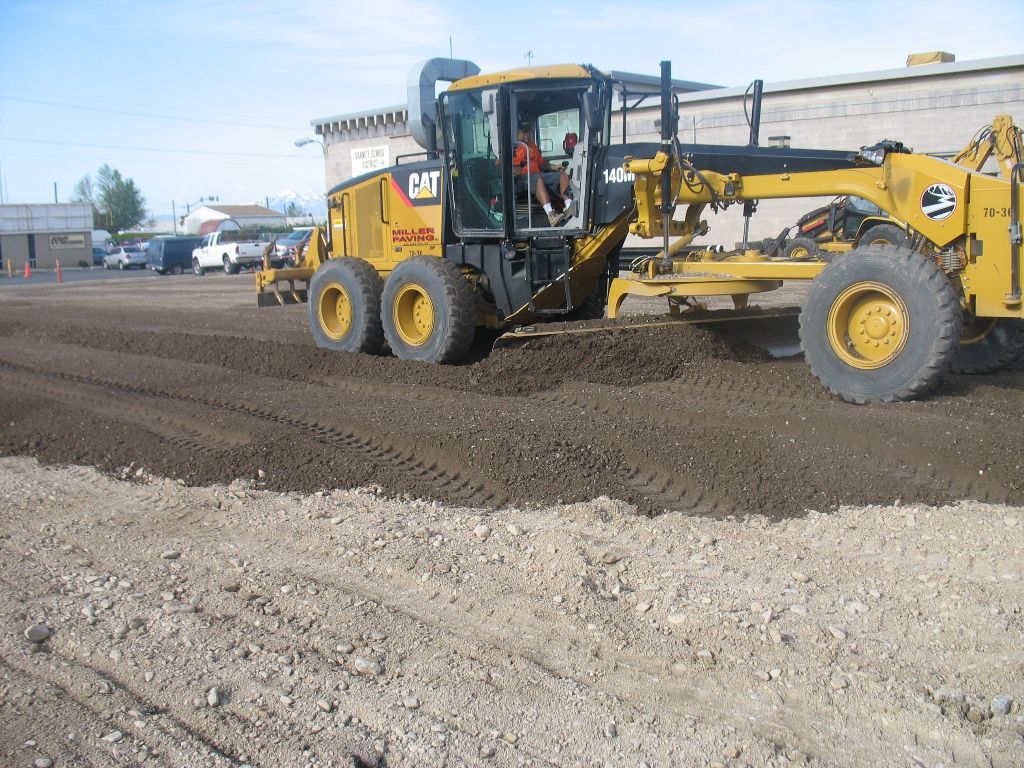
Grading is the process of shaping the ground surface to achieve specific elevations and drainage patterns. It sounds simple, but proper grading is one of the most consequential steps in any construction project. Get it right, and water flows away from structures, foundations remain stable, and landscapes drain properly. Get it wrong, and you face flooding, erosion, foundation damage, and long-term structural problems.
Rough Grading vs. Finish Grading
Grading happens in phases. Rough grading is the initial shaping of the site — establishing the overall contours, building pads, road subgrades, and major drainage features. This is where the heavy earthwork happens, with dozers and excavators moving significant volumes of material to bring the site to its approximate final shape.
Finish grading is the precision work that follows. Using smaller equipment and sometimes GPS-guided graders, the surface is shaped to within fractions of an inch of the engineered elevations. Finish grading ensures that building pads are level, that positive drainage exists away from all structures, and that the site is ready for the next phase — whether that's pouring a foundation, laying asphalt, or installing landscaping.
Why Drainage Is the Top Priority
The primary purpose of grading is controlling water. Every surface on your property should direct water away from structures and toward designated drainage points. Even a slight slope in the wrong direction can channel water toward a foundation, basement, or crawlspace, causing moisture intrusion and potential structural damage.
In Utah, where thunderstorms can drop heavy rain in short bursts and spring snowmelt creates sustained runoff, proper drainage grading is especially important. Your grading plan should account for not just typical rain events but the occasional heavy storms that test your drainage system to its limits.
Compaction: The Invisible Detail
Grading isn't just about the surface shape — it's about what's underneath. Fill material placed during grading must be compacted to specific density requirements to prevent settling. Without proper compaction, graded surfaces will sink over time, creating low spots where water pools, driveways that crack, and uneven surfaces throughout the property.
Professional excavation contractors use vibratory compactors and perform compaction testing to verify that fill areas meet engineering specifications. This invisible work is what separates grading that lasts from grading that fails within a few years.
When Do You Need Professional Grading?
Any new construction project needs professional grading as part of the site preparation. But grading isn't just for new builds — regrading may be needed to correct drainage problems on existing properties, to prepare a lot for an addition or outbuilding, or to reshape terrain for landscaping or outdoor living spaces.
If water is pooling near your foundation, your yard doesn't drain properly, or you're planning any construction project, contact KB Lewis to discuss your grading needs. Proper grading is an investment that protects your property for decades.