
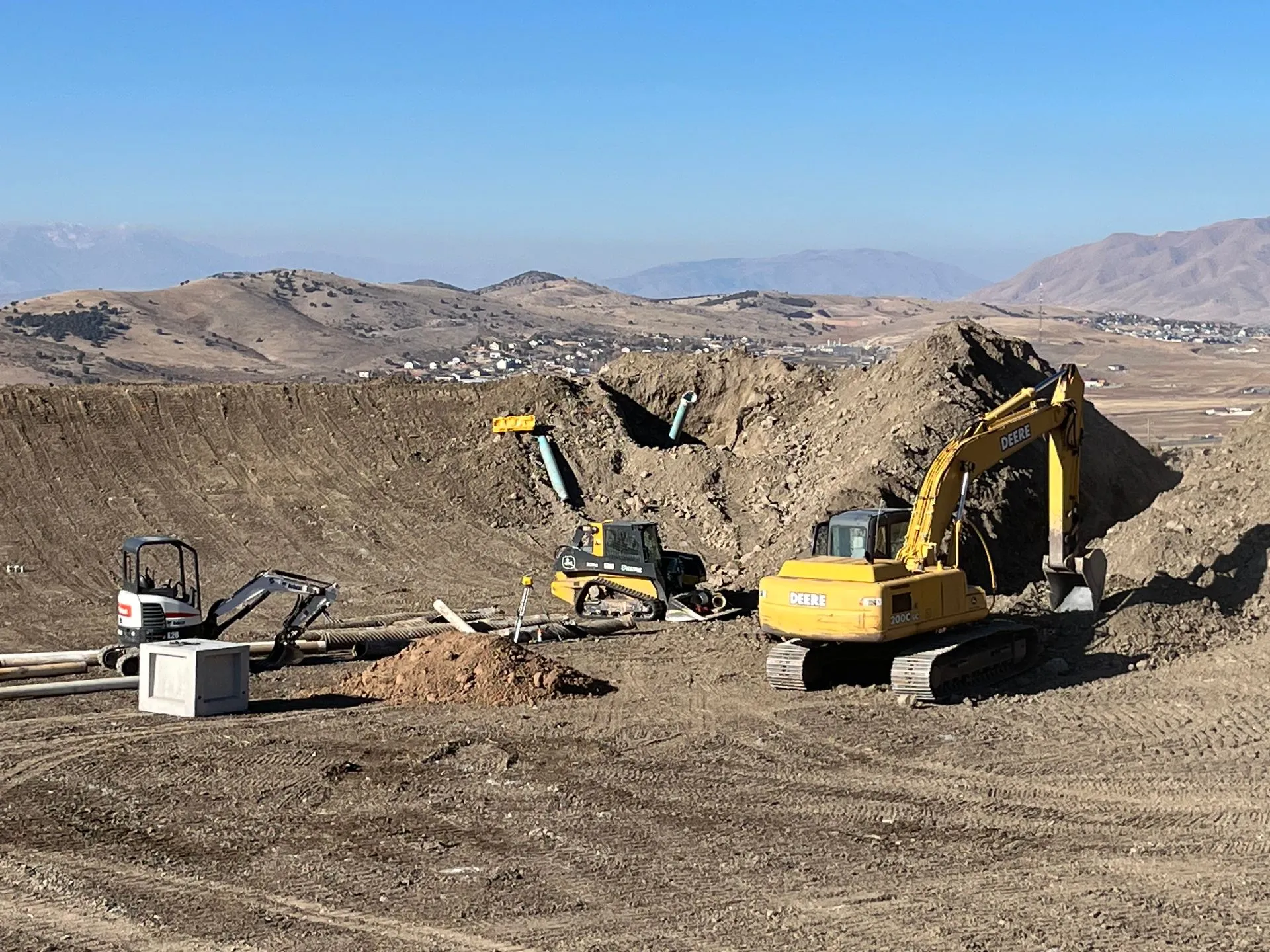
If this is your first construction project, the arrival of heavy equipment on your property can feel a bit overwhelming. Excavation is loud, dusty, and dramatic — watching an excavator dig into the earth where your home will stand is an experience most people don't forget. Knowing what to expect helps ease the anxiety and lets you focus on the excitement of seeing your project take shape.
Before the Crew Arrives
Preparation starts before excavation day. Your contractor should have already obtained any necessary permits and arranged for utility locates through 811. You'll want to make sure the crew has clear access to the work area — this means moving vehicles, outdoor furniture, and anything else that might be in the way. If you have pets, plan to keep them secured away from the work zone.
Your contractor will typically visit the site a day or two before work begins to verify access, check utility markings, and confirm the layout. Survey stakes or paint marks on the ground indicate where the excavation will happen. If you see these marks and have questions about the layout, this is the time to ask.
The Day Begins
Equipment typically arrives early — most excavation crews start between 7:00 and 8:00 AM to maximize daylight hours. You'll see excavators, dump trucks, and possibly a dozer or skid steer depending on the scope of work. The initial setup takes thirty minutes to an hour as operators position equipment, review the plans, and mark any final reference points.
Once digging begins, things move surprisingly fast. A skilled operator can remove hundreds of cubic yards of material in a single day. You'll see the shape of your foundation or building pad emerge within hours. Dump trucks will be cycling in and out, hauling removed material to a designated disposal site or stockpile area.
What About the Noise and Dust?
Heavy equipment is loud. Expect significant noise during working hours, especially when equipment is operating at close range. If you work from home, plan to take calls in a room away from the work zone. Most residential excavation work is completed within a few days, so the disruption is temporary.
Dust is an inevitable part of excavation, particularly in Utah's dry summer months. Your contractor should have a plan for dust control — typically a water truck or sprinkler system to keep dust manageable. If dust is a concern for you or your neighbors, discuss it with your contractor before work begins.
Communication During the Work
A good contractor keeps you informed throughout the process. At KB Lewis, we provide daily updates on progress and flag any issues as they arise. If we encounter unexpected rock, unusual soil conditions, or anything that might affect the timeline or cost, you'll hear about it immediately — not after the fact. We believe you should never be surprised by your excavation contractor.
Questions about your upcoming excavation project? Reach out to our team and we'll walk you through exactly what to expect for your specific project.