
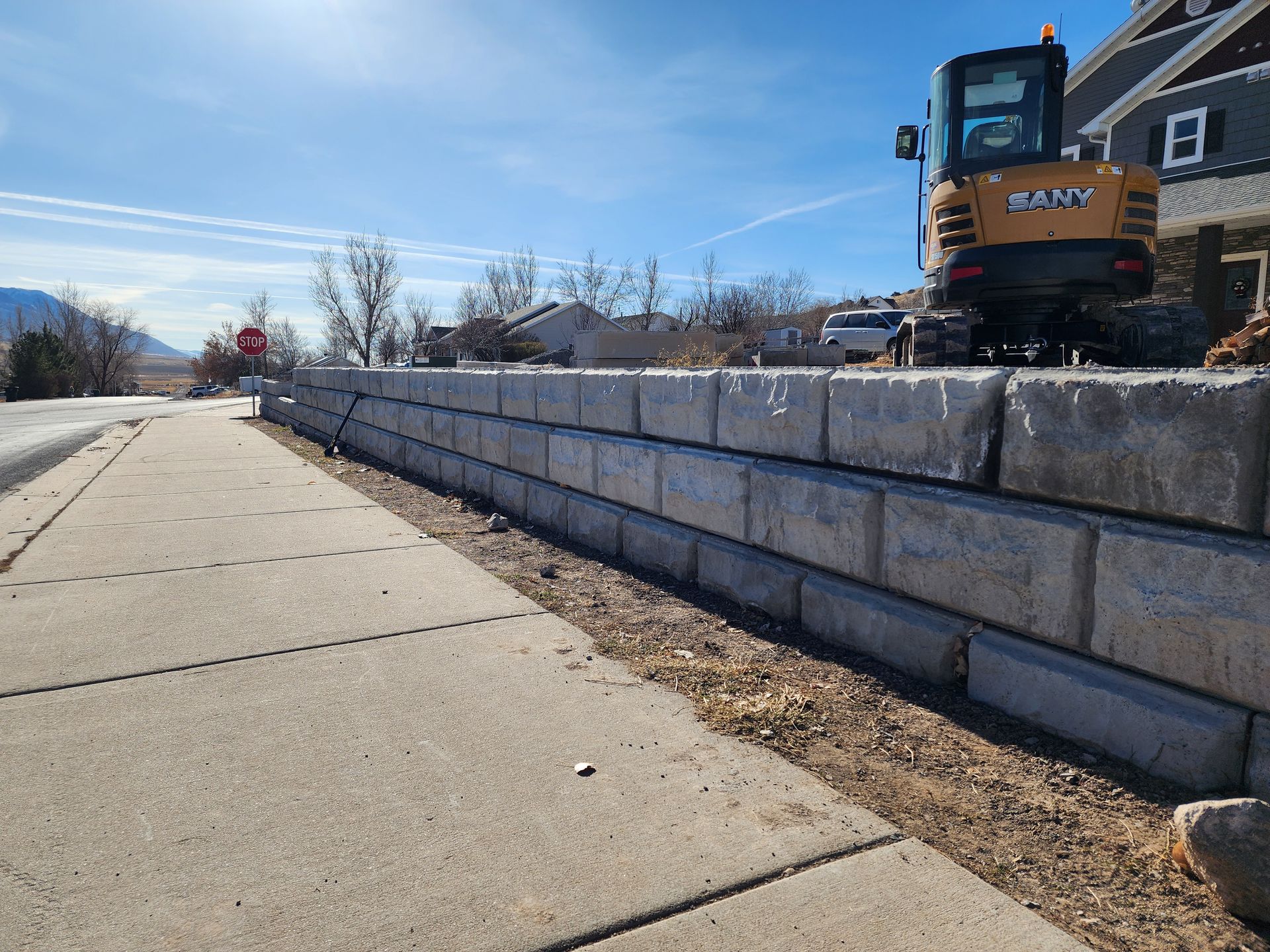
Breaking ground on a commercial construction project is an exciting milestone, but it requires careful planning and preparation. A commercial excavation and site preparation project involves numerous moving parts, regulatory requirements, and technical considerations. At KB Lewis Excavation, we've guided hundreds of developers and general contractors through this critical phase. To help you navigate the process smoothly, here are five essential things you need to know before your crew arrives on site.
1. Soil Testing and Geotechnical Reports Are Non-Negotiable
Before any excavation begins, you must understand what you're working with. Soil composition, bearing capacity, and subsurface conditions directly impact your project's timeline, budget, and structural integrity. A comprehensive geotechnical report from a qualified engineer tells you the soil type, compaction requirements, drainage characteristics, and any potential challenges like poor bearing capacity or expansive soils.
This isn't just good practice—it's essential for making informed decisions about foundation design, grading strategy, and site layout. Skipping this step or underestimating its importance has derailed countless projects, leading to unexpected costs and delays. The small investment in a thorough geotechnical investigation pays dividends by preventing costly surprises during excavation.
2. Permits and Regulatory Compliance Must Be Secured Early
Utah's counties and municipalities have varying requirements for commercial excavation and site preparation. Depending on your project location and scope, you may need grading permits, stormwater management permits, erosion control approvals, and other regulatory clearances. Waiting until the last minute to secure these permits can push your project start date back weeks or even months.
Work with your local building department early to understand all required permits and submissions. Have your plans reviewed and approved before equipment arrives on site. This proactive approach ensures compliance, avoids costly stop-work orders, and keeps your project on schedule. Your general contractor should have a clear timeline for all permits before you sign the excavation contract.
3. Call 811 Before You Dig—No Exceptions
One of the most critical safety and legal requirements is locating underground utilities before breaking ground. Utah's One-Call Center operates 811, and you are required by law to call and request a utility locating survey before excavation. This identifies the locations of gas lines, electrical conduits, water mains, sewer lines, telecommunications cables, and other underground infrastructure.
Hitting a natural gas line or high-voltage electrical line can result in explosions, electrocution, project shutdowns, regulatory fines, and liability issues. Never assume you know where utilities are located. Call 811 at least two to three business days before you plan to dig, and wait for utility locators to mark the site. This is a legal requirement that protects your team, your project, and the public.
4. Selecting the Right Excavation Partner Matters More Than You Think
Your choice of excavation contractor will significantly impact your project's success. You need a partner with proven experience on commercial projects, the right equipment, a strong understanding of local soil and site conditions, and a commitment to safety and schedule adherence. The lowest bid isn't always the best choice—reliability, quality workmanship, and proven project management are worth paying for.
When evaluating excavation partners, ask for references from similar projects, verify insurance and licensing, review their equipment fleet, and ensure they understand your project schedule and specifications. At KB Lewis, we specialize in commercial site preparation and work closely with builders and developers to ensure every phase runs smoothly. Request a detailed proposal and timeline before you commit.
5. Have a Contingency Plan for Weather and Unforeseen Conditions
Even with perfect planning, weather and unexpected site conditions can impact your excavation timeline. Utah's weather can be unpredictable, and soil conditions sometimes differ from initial assumptions. Building schedule and budget flexibility into your project protects you from unnecessary stress and cost overruns.
Work with your excavation contractor to establish realistic timelines with weather buffers built in. Discuss contingency plans for scenarios like heavy rain disrupting compaction, discovered fill material requiring removal, or utilities located in unexpected locations. A professional contractor will provide a schedule that accounts for these variables and keeps communication flowing if adjustments become necessary.
Moving Forward with Confidence
Starting a commercial construction project is a significant undertaking, but proper preparation sets the stage for success. By conducting geotechnical investigations, securing permits early, locating utilities, choosing an experienced partner, and planning for contingencies, you're protecting your timeline, budget, and reputation.
If you're planning a commercial excavation or site preparation project in Utah, KB Lewis Excavation is ready to help. Contact us today to schedule a consultation and let our team guide you through every step of the process.