
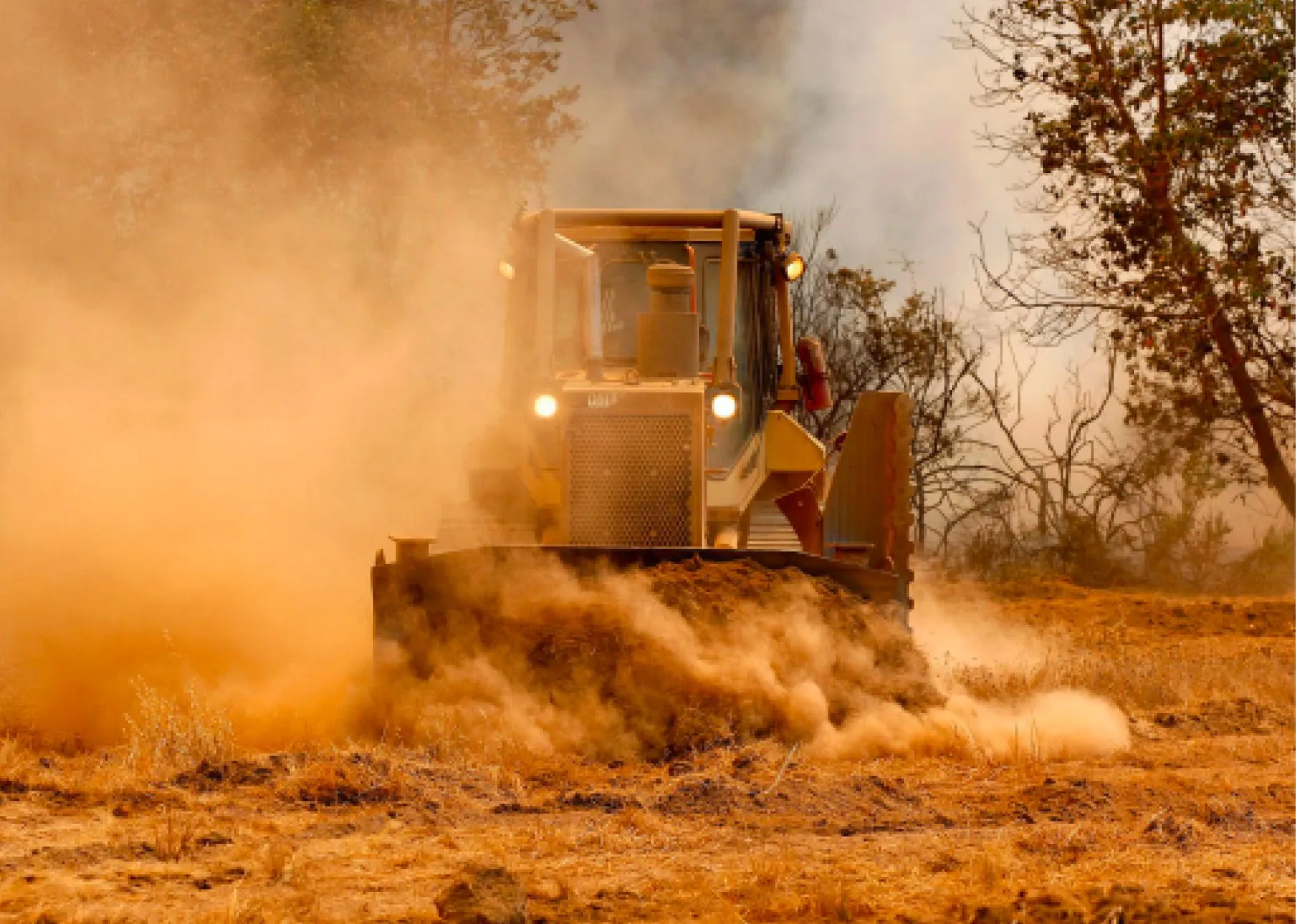
Raw land presents unlimited potential, but transforming it into a development-ready site requires careful planning, specialized equipment, and expertise in understanding local regulations. Whether you're developing a single-family homestead, a residential subdivision, or a commercial property, the process of preparing raw land follows a logical sequence of steps. Each phase builds on the previous one, and skipping or rushing steps can create costly problems later. Understanding the development process helps you plan realistic budgets and timelines for your project.
Site Assessment and Surveying
Before any ground is disturbed, the land must be thoroughly assessed and surveyed. Professional surveyors establish precise property boundaries, identify easements and rights-of-way, and determine existing topography. This survey work provides the baseline information needed for all subsequent planning and design. Engineers evaluate soil conditions, groundwater levels, slopes, and drainage patterns. These factors directly influence how the land can be developed and what challenges you might encounter.
Environmental assessment is equally critical. Phase I environmental assessments identify potential contamination from past industrial use, improper waste disposal, or natural soil conditions. Phase II assessments involve soil testing and potentially groundwater testing if contamination is suspected. For agricultural land, soil testing determines suitability for various uses. For forested land, timber inventories help evaluate whether timber harvest makes economic sense as part of development preparation.
Permits and Environmental Considerations
Development doesn't proceed without appropriate permits and environmental approvals. Building permits are obvious requirements, but many projects also need environmental permits. Wetland permits are required if the property contains wetlands—these areas have strict protection requirements and can't be filled or significantly altered without environmental agency approval. Stormwater permits regulate how runoff is managed during and after construction. Some properties need floodplain development permits if they're in designated flood zones.
Environmental impact assessments may be required for larger projects. State environmental quality act reviews examine potential impacts on air, water, traffic, and wildlife. These reviews sometimes identify mitigation requirements—perhaps wetland restoration elsewhere on the property, wildlife habitat preservation, or specific stormwater management measures. Starting the permitting process early prevents surprises that could delay or even prevent development.
Land Clearing and Debris Removal
Once permits are in place, land clearing can begin. This involves removing trees, brush, stumps, and other vegetation. The scale of clearing varies dramatically. Some projects require removing hundreds of large trees. Others involve clearing brush and undergrowth while preserving mature trees. The specific approach depends on environmental requirements, site conditions, and the intended final use of the property.
Debris removal is a major component of clearing work. Larger logs might be salvaged for timber value, but smaller branches, stumps, and brush must be hauled away or chipped. Some operators use mulching equipment to grind wood debris into usable mulch. Rocks and boulders exposed during clearing may need removal or repositioning. Heavy equipment like excavators, bulldozers, and skid steers work together to clear the site systematically and efficiently.
Rough Grading and Earthwork
After clearing, rough grading shapes the land to its planned contours. This involves cutting high areas and filling low areas to create the site's basic shape and drainage patterns. Preliminary stormwater management features like drainage swales and detention ponds may be roughed in at this stage. Road and building pad locations are established.
Cut and fill balancing is important financially and environmentally. Projects that balance cut and fill on-site avoid expensive borrow material imports or costly off-site disposal of excess soil. Earthwork contractors carefully calculate cut and fill volumes during design to optimize site development economics. However, sometimes site conditions require importing fill or exporting excess material—understanding these requirements early prevents budget surprises.
Utility Installation
With site grading roughed in, utility systems are installed. Water mains, sewer lines, storm drains, electric conduits, and telecommunications lines are trenched, installed, and tested. This phase involves close coordination with utility companies and regular inspections. For large developments, this might include extending existing utility lines from nearby systems or, if outside municipal service areas, installing on-site systems like wells and septic systems.
For utility installation, working with experienced contractors prevents costly mistakes and ensures compliance with utility company standards and building codes. Professional utility work ensures reliable service and simplifies future maintenance and repairs.
Final Grading and Site Stabilization
Once utilities are in place, final grading refines the site's elevations and contours. Building pads are finished to exact elevations. Road surfaces are prepared for paving or base material installation. Final drainage patterns are established to ensure water flows properly and doesn't pond in undesired areas. Compaction verification tests confirm that soil has been compacted to code-required specifications.
Site stabilization prevents erosion during the transition period between development and building construction or vegetation establishment. Erosion control measures like erosion control blankets, silt fences, and dust control measures protect air and water quality during this critical phase. Once buildings are constructed or vegetation is established, these temporary measures are removed and final restoration occurs.
The Importance of Professional Development Planning
Land development seems straightforward—clear the land, move the dirt, install utilities, and build—but success requires careful planning and expert execution at each phase. Small mistakes early in the process become expensive problems later. KB Lewis brings experience in land clearing and grading work, understanding not just how to move dirt efficiently, but how to do it correctly according to code requirements and best practices.
Whether you're preparing a small residential lot or managing a complex multi-phase development, professional planning and execution make the difference between projects that stay on schedule and budget versus those that encounter costly delays and rework. Contact KB Lewis today to discuss your land development needs and let our team help you turn raw land into a development-ready site.