
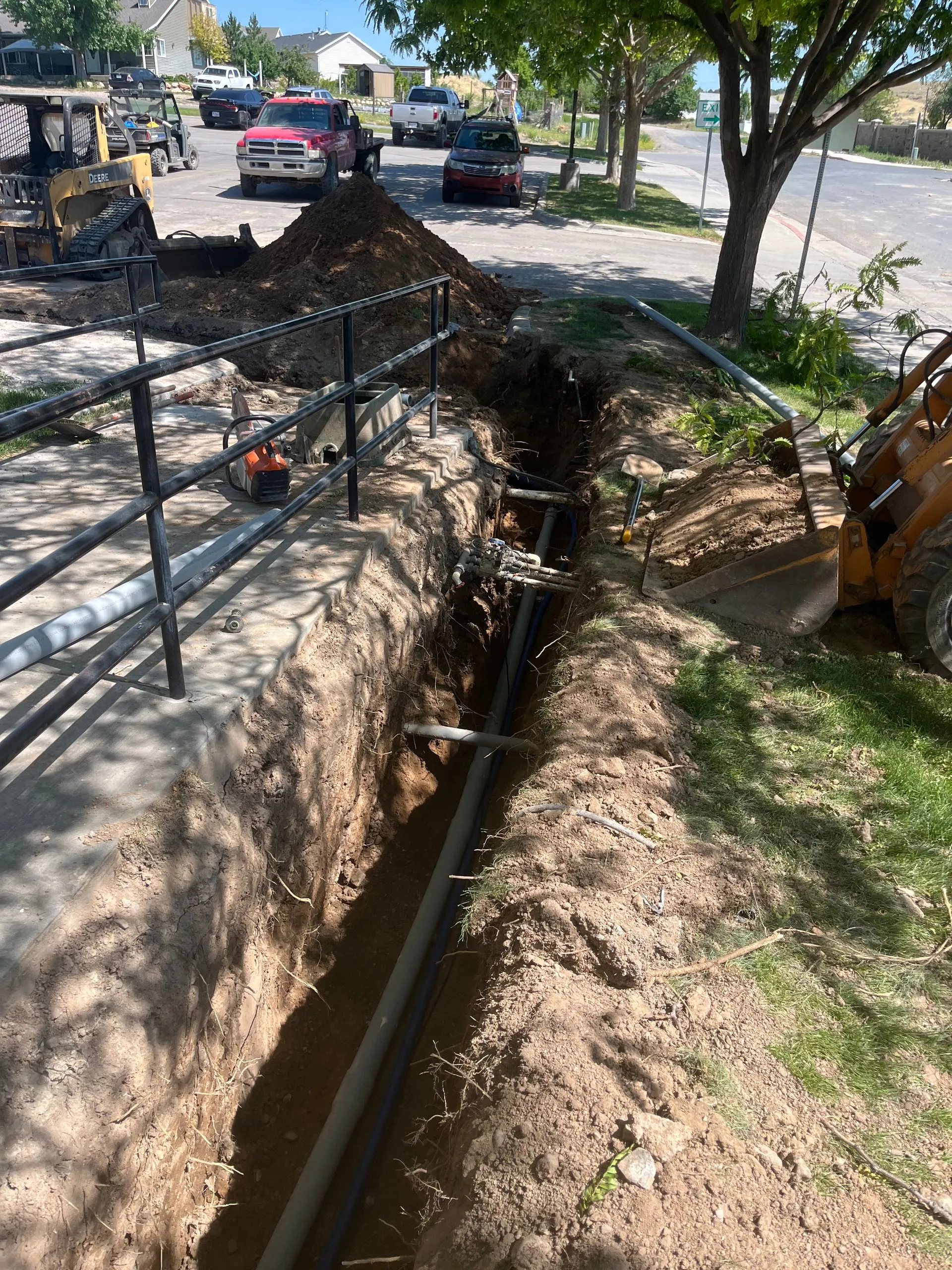
Installing underground utilities is a critical part of property development, whether you're building a new home, expanding a commercial facility, or connecting to municipal systems. For many homeowners and property owners, the underground utility installation process is a mystery. Understanding what's involved—from planning to completion—helps you prepare for the work, manage expectations, and ensure your project stays on schedule and within budget.
Types of Underground Utilities
Most properties require multiple underground utilities, each serving a different purpose. Water lines deliver fresh water from municipal systems or private wells to buildings. Sewer lines and storm drains manage wastewater and stormwater runoff, directing them away from your property. Electric lines bring power to your home or business. Natural gas lines supply fuel for heating and appliances. Telecommunications cables provide phone, internet, and cable television service. In some cases, additional systems like irrigation lines or geothermal loops may also be buried.
Each utility type has specific installation requirements, depth specifications, and separation distances from other utilities. These requirements are set by building codes and utility companies to ensure safe, compliant systems that function reliably for decades. A qualified excavation contractor understands these requirements and coordinates with utility companies to ensure proper installation.
The Trenching Process Step by Step
The utility trenching process begins with locating existing underground utilities. Before any digging begins, utility locating services identify the positions of existing water, sewer, gas, electric, and telecommunication lines. This critical step prevents costly and dangerous hits to existing infrastructure. Once existing utilities are marked, excavation can proceed safely.
Trenches are dug to the specified depths required by code for each utility type. Trenches must be wide enough for safe worker entry and narrow enough to be efficient. The trench walls must be stable and properly sloped to prevent collapse. Once trenches are opened, pipes and cables are laid carefully in the correct positions. Utility companies often send representatives to inspect and approve the work as lines are installed.
After all lines are placed, trenches are backfilled carefully in layers. First, a sand or gravel bedding layer supports the pipes. Then additional backfill material is compacted in lifts to ensure proper support and prevent settling. Final backfill restores the site to its original grade. Throughout this process, inspections verify that installations meet code requirements and utility company standards.
How Long Utility Installation Typically Takes
The timeline for utility installation varies dramatically based on project scope, site conditions, and weather. A simple residential water and sewer line installation might take a few days. A large commercial project with multiple utility types and complex routing could take weeks or months. Weather significantly impacts timelines—rain can make trenches muddy and unstable, snow can shut down work, and frozen ground requires special techniques.
Coordination delays also affect timing. Scheduling utility company inspections, coordinating with other contractors on the job site, and obtaining permit approvals all take time. Murphy's Law often applies to utility work—unexpected site conditions like unexpected utilities, rock formations, or soil conditions can extend timelines. Building these contingencies into your project schedule prevents disappointment when reality doesn't match optimistic timelines.
What Happens to Your Yard and Property During and After
Utility installation is disruptive. Trenches cross your property, heavy equipment compacts soil, and the site becomes muddy during wet weather. Temporary erosion control measures like silt fences and sediment basins are often necessary to prevent soil from washing away. Traffic patterns on your property change, and parking may be limited during active work.
After trenches are backfilled, the property isn't immediately restored to its original condition. Backfilled areas settle unevenly over weeks or months. Landscaping that was removed must be replanted or replaced. New areas may appear sunken compared to surrounding grade. Seeding and establishing new landscape growth takes seasons. Professional contractors understand these realities and work to minimize disruption while being realistic about restoration timelines.
Permits and Inspections Required
Utility installation is one of the most heavily regulated aspects of construction. Building permits must be obtained before work begins. Utility companies issue their own permits and set specific requirements for their installations. State health departments regulate water and sewer systems. Local municipalities inspect work at multiple stages—after trenching, after pipes are laid, and after backfilling.
Each inspection verifies that work meets code requirements. Inspectors check trench depths, pipe slopes, bedding material, compaction, and proper separations between utilities. If work doesn't meet standards, it must be corrected before the inspector approves it. This inspection process, while sometimes frustrating for contractors eager to move forward, ensures that underground systems function properly for decades and don't create safety hazards.
Choosing a Qualified Utility Contractor
Not all excavation contractors are equally qualified for utility work. You need contractors who understand local codes, maintain good relationships with utility companies, and have experience troubleshooting site-specific challenges. Check references from previous utility projects. Ask about their experience with your specific utility types and whether they're familiar with your local area's soil conditions and utility company requirements.
Professional utility contractors carry appropriate insurance, maintain certified equipment, and employ trained crews who understand safe trenching practices. They coordinate proactively with utility companies and building departments rather than treating inspections as obstacles. For your utility installation needs, KB Lewis brings years of experience, understanding of local requirements, and commitment to getting it right the first time. Contact us for a consultation about your utility project.