
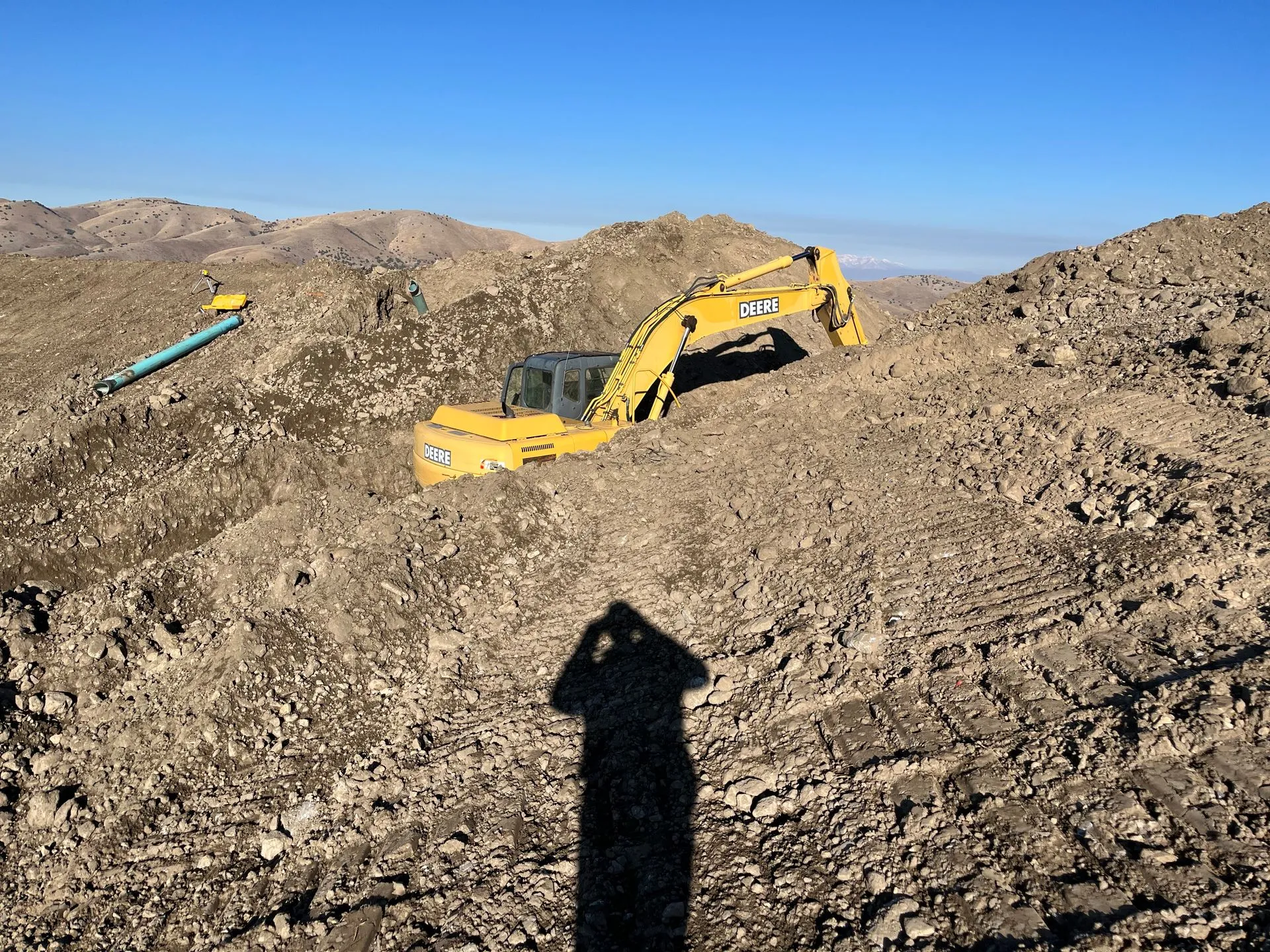
Winter construction in Utah presents unique challenges, and excavation work is no exception. When temperatures drop and the ground freezes, many contractors wonder if they should pause their projects until spring. The answer isn't always no—but it does require careful planning, specialized equipment, and realistic expectations about what winter excavation actually entails.
Challenges of Frozen Ground and Frost Lines in Utah
Utah's winter climate creates significant obstacles for excavation crews. The state's frost line—the depth to which soil freezes—typically ranges from 3 to 4 feet, though this varies by elevation and location. In the higher elevations and northern regions, frost penetration can exceed 5 feet. When soil freezes, it becomes exponentially harder to excavate. Frozen ground has the compressive strength of concrete and can cause equipment to wear faster and operate less efficiently.
Additionally, frost heave—the expansion of soil as it freezes—can shift foundations and damage previously completed work. This is why winter excavation requires expertise in managing seasonal soil behavior. Understanding local frost depths and frost line regulations is essential before starting any winter project.
When Winter Excavation Makes Sense
Despite the challenges, winter excavation is sometimes the right choice. Commercial projects with strict deadline requirements often can't wait for spring. Real estate developers facing financing deadlines or seasonal market pressures need to move forward. Building permits sometimes include winter work windows, and delaying can mean losing the permission or pushing timelines into the next year.
For projects where weather windows are tight or where spring flooding could delay summer work, winter excavation can be a strategic advantage. The key is determining whether the benefits of pushing forward outweigh the operational costs and complexity of cold-weather work.
Equipment and Techniques for Cold-Weather Digging
Winter excavation demands different equipment and techniques than summer work. Hydraulic systems in excavators need specialized winter-grade fluids to prevent freezing. Heaters must warm diesel fuel so equipment can start reliably. Contractors must often use ground thawing equipment—either electrical heating systems or hot-water lines—to soften frozen soil before excavation can begin effectively.
Some projects benefit from ripping hard ground with larger equipment before standard excavation. Others require thermal drilling or explosive fracturing in extreme conditions. The specific approach depends on soil composition, depth requirements, and budget constraints. Working with an experienced team familiar with Utah winters is crucial to selecting the right methodology.
Soil Compaction Challenges in Winter
Winter presents another critical issue: soil compaction. Frozen ground contracts differently than unfrozen soil, making it difficult to achieve proper compaction specifications. Winter moisture in the form of ice and snow complicates the compaction process further. If soil isn't properly compacted before freezing, spring thaw can create settling and stability issues.
This is why winter grading and foundation work requires constant monitoring and may need rework once temperatures stabilize. Building inspectors often require additional testing and verification for winter work to ensure compaction standards have been met despite seasonal challenges.
How KB Lewis Handles Winter Projects
KB Lewis has extensive experience managing excavation work through Utah's cold season. Our team conducts thorough site assessments before winter work begins, evaluating soil conditions, frost depths, and drainage challenges. We invest in cold-weather equipment and hire crews trained in winter excavation protocols.
For commercial projects, we develop detailed winter work plans that account for temperature fluctuations, equipment needs, and inspection schedules. We maintain open communication with contractors about realistic timelines and costs—winter work typically costs 15-25% more than summer equivalents due to equipment requirements and reduced productivity.
Whether you're facing a winter deadline for a residential foundation or a major commercial development, KB Lewis can assess whether your project is feasible and deliver professional results. Ready to discuss your winter excavation needs? Schedule a consultation with our team today.